


We live in a world of instant everything: fast food, next-day delivery, and even AI-generated logos at the blink of an eye. So it’s natural to ask (and feel impatient about it): how long does it actually take to build a customised website?
We hate to spoil it for you, but we don’t do it overnight. As one of our KOBU Code lines says, “Great work takes time”, and great websites require even more than just time. They need care and preparation, a lot of thought, some magic, particular skill… Well, think you can open your fridge, throw all the ingredients together and call it dinner, but if you want something truly flavourful and satisfying, you need a recipe, work, and patience.
Why “customised” matters when building a brand website
Let’s start with that word: customised. It’s not just marketing fluff. A customised website means it’s built around your brand, not borrowed from a template that’s already been used a thousand times. When we build a website, we do it to meet specific business needs and design it as an expression of a brand identity, catering to a particular audience. You need your values, tone of voice, and vision translated into digital form.
That level of thought takes longer than dragging and dropping widgets into a pre-made layout. We need to access your core business and understand what you are offering and to whom. Then we need to understand your lead’s thought process and draw an intuitive user journey that wraps them around your brand identity.
A customised website is far more valuable than just a digital platform. It can be a true home for your brand, its foundation. Think of it like tailoring. A bespoke piece cut to fit your precise shape, made with care and fitted for movement, is truly unlike anyone else’s and makes a world of difference compared to a pre-made suit you can pull from a store rack.
What’s the Typical Timeline to Develop a Customised Website
We must admit that the “typical timeline” doesn’t typically happen! It varies a lot, depending on not just complexity but mostly on the communication with the client and the maturity of the vision and goals for the new website. What you see as a result is a uniquely designed, easy-to-navigate branded website with outstanding performance, but let us show you what’s behind.
1. Strategy
We usually start with a discovery phase, which typically lasts about 4 weeks. This time is fundamental for the agency to dive into understanding your business and brand: who you are, what your users need, and how your website can deliver value. It involves interviews, competitor benchmarking and market general analysis. Most of the time, we also perform an SEO audit to understand what works on the current website, so as not to lose valuable traffic. It’s the part people often want to skip, but the one that makes everything else make sense.
2. Wireframing and Core Creative Concept
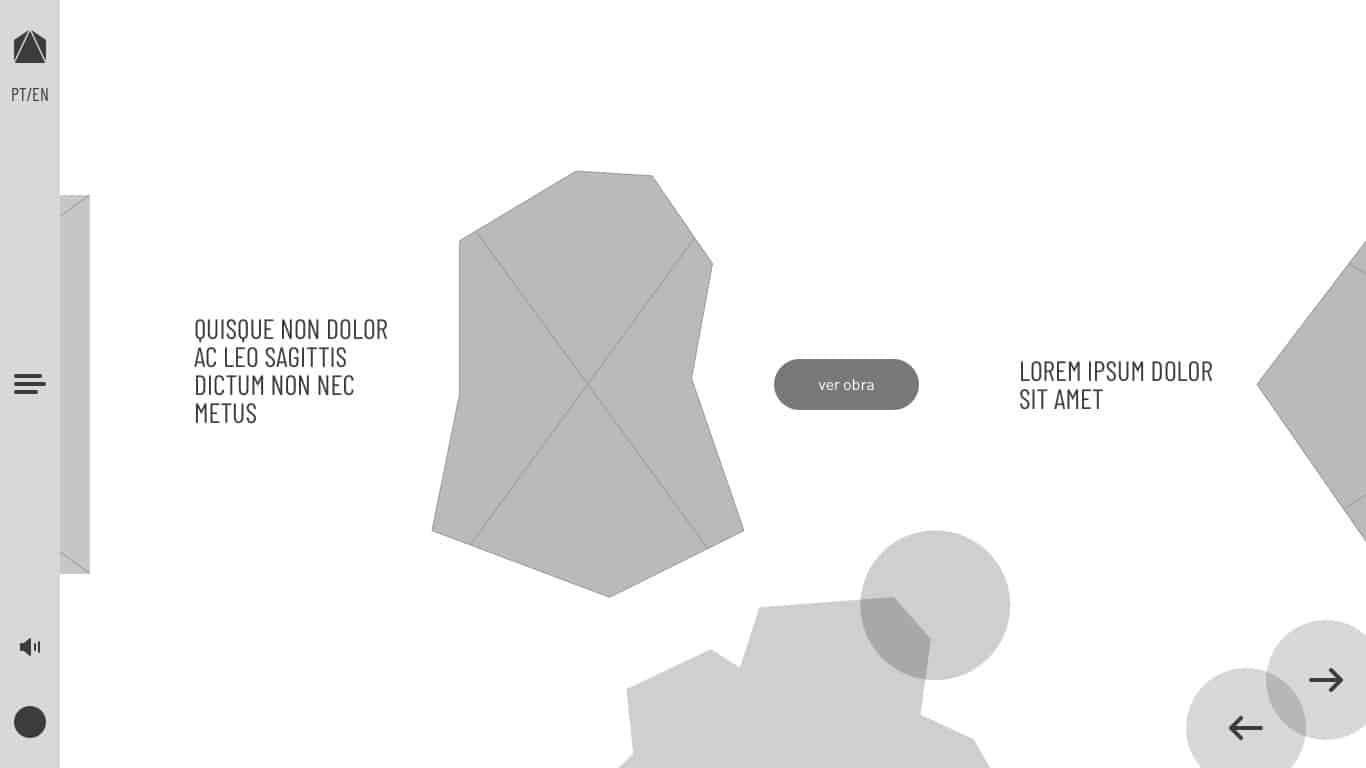
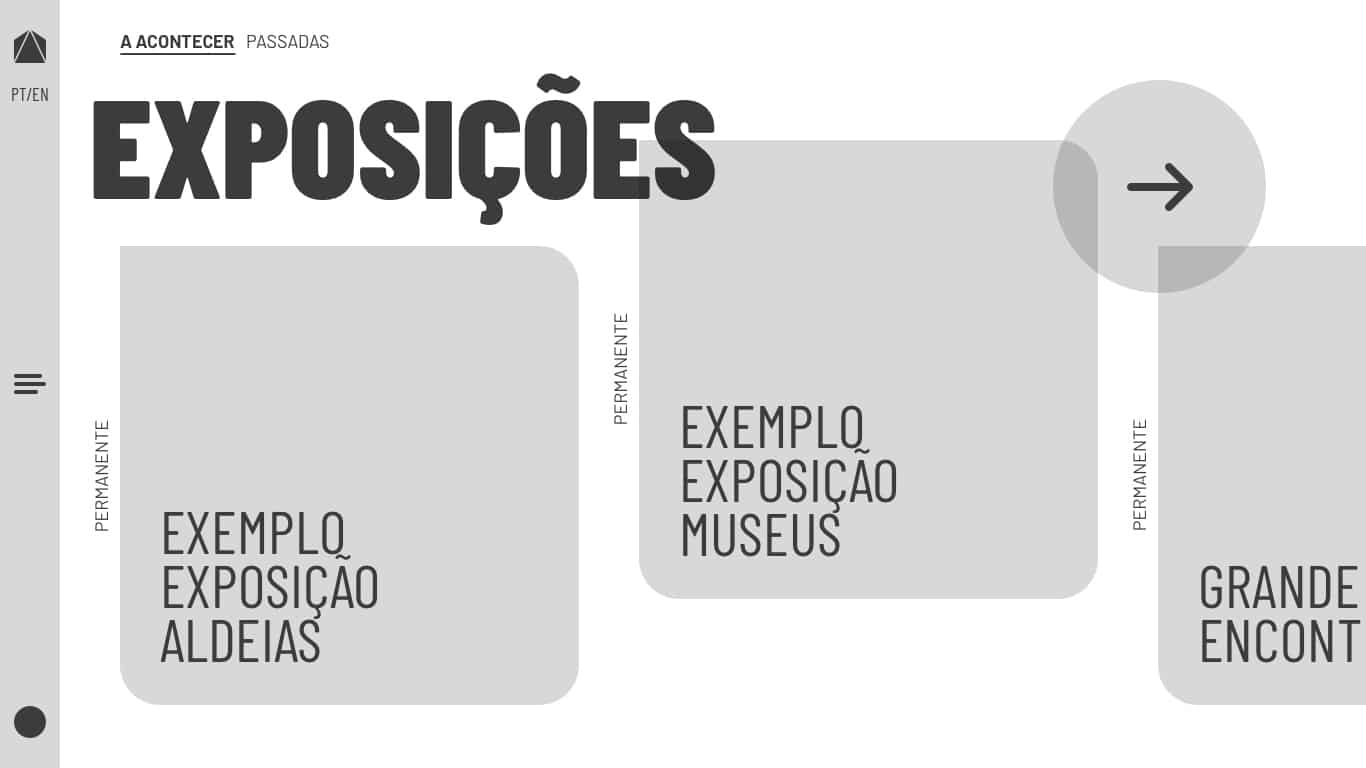
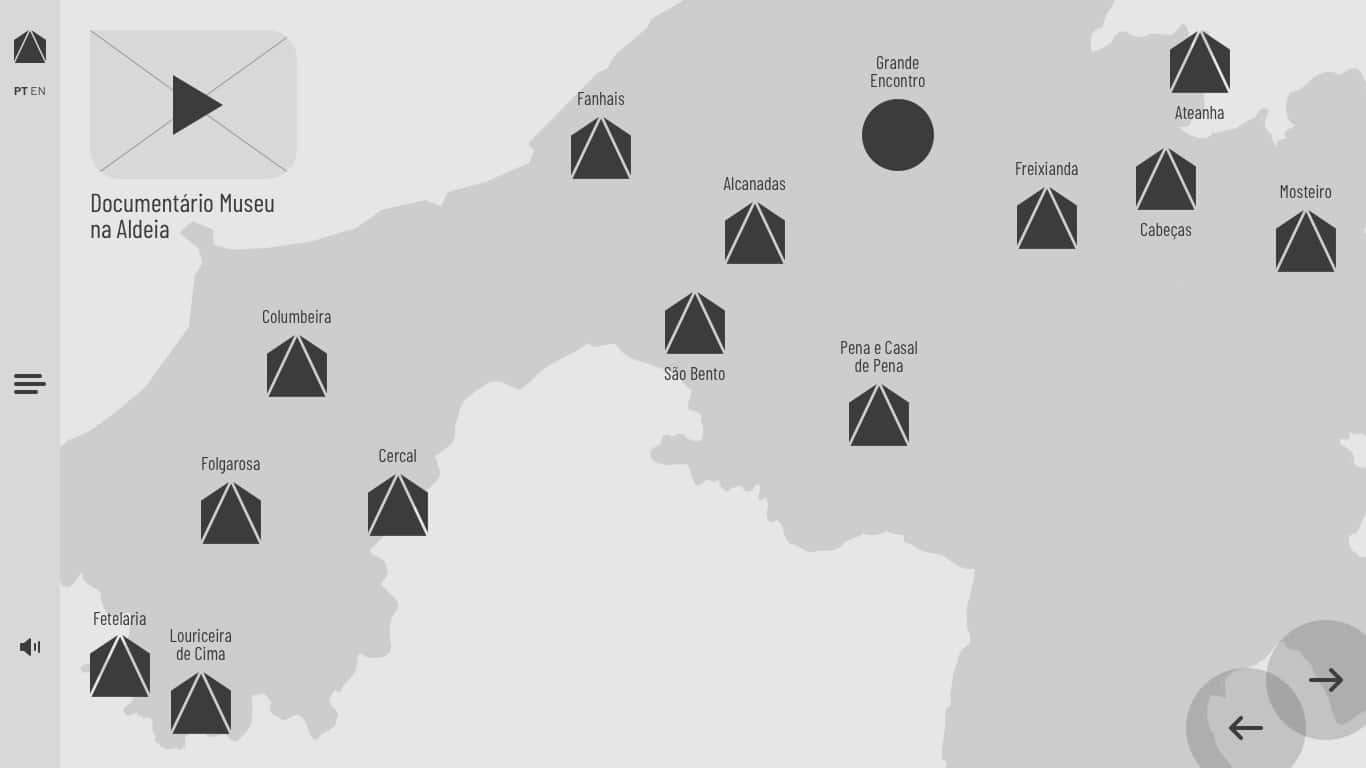
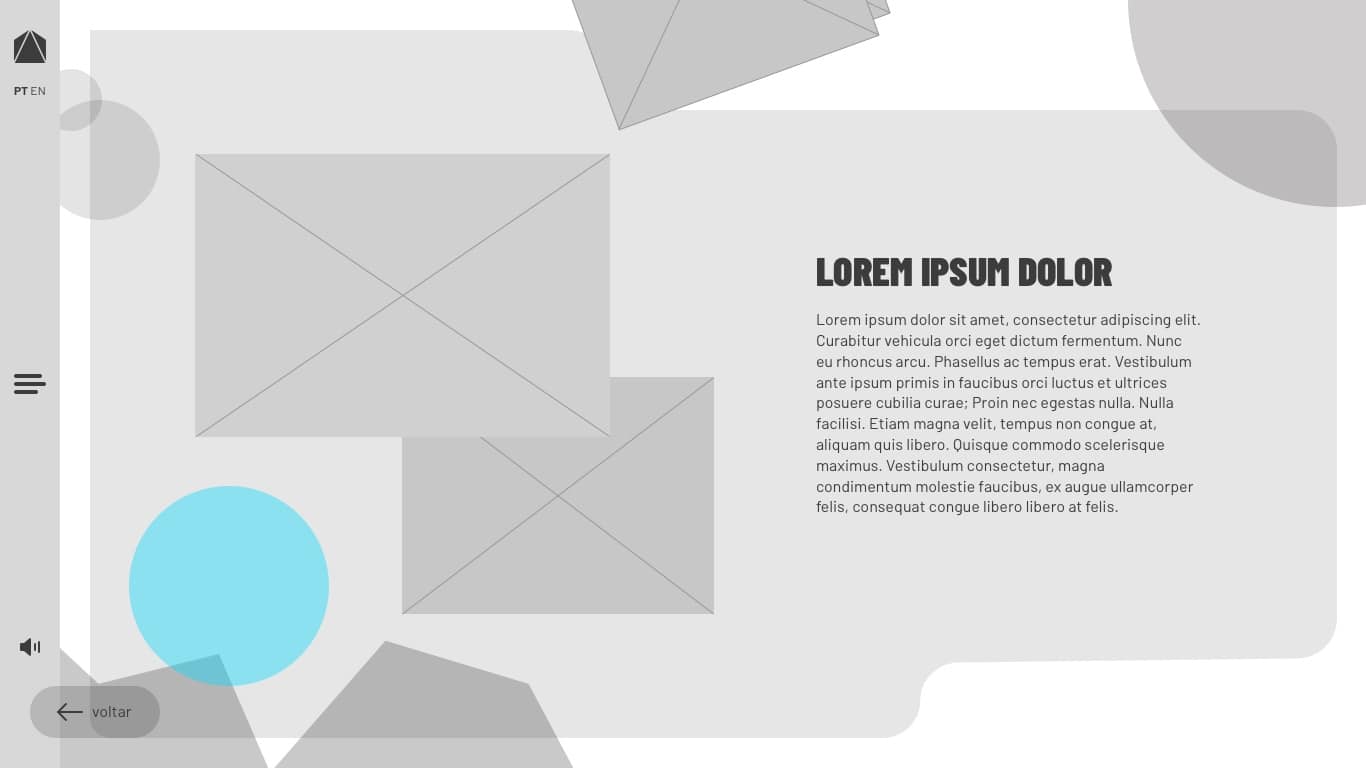
Once the strategy is defined, the project moves into wireframing. We begin by analysing the existing website content (if available) and aligning it with business goals and user expectations. This allows us to design a functional information architecture that supports the new website.
After setting clear objectives for each page, we develop what we call the Core Creative Concept which is the central creative idea that guides the entire visual direction. With this foundation in place, we move into UX/UI wireframes, where structure, storytelling and interaction begin to take shape. This whole stage may take between 4 to 6 weeks.
3. Layouts and prototype
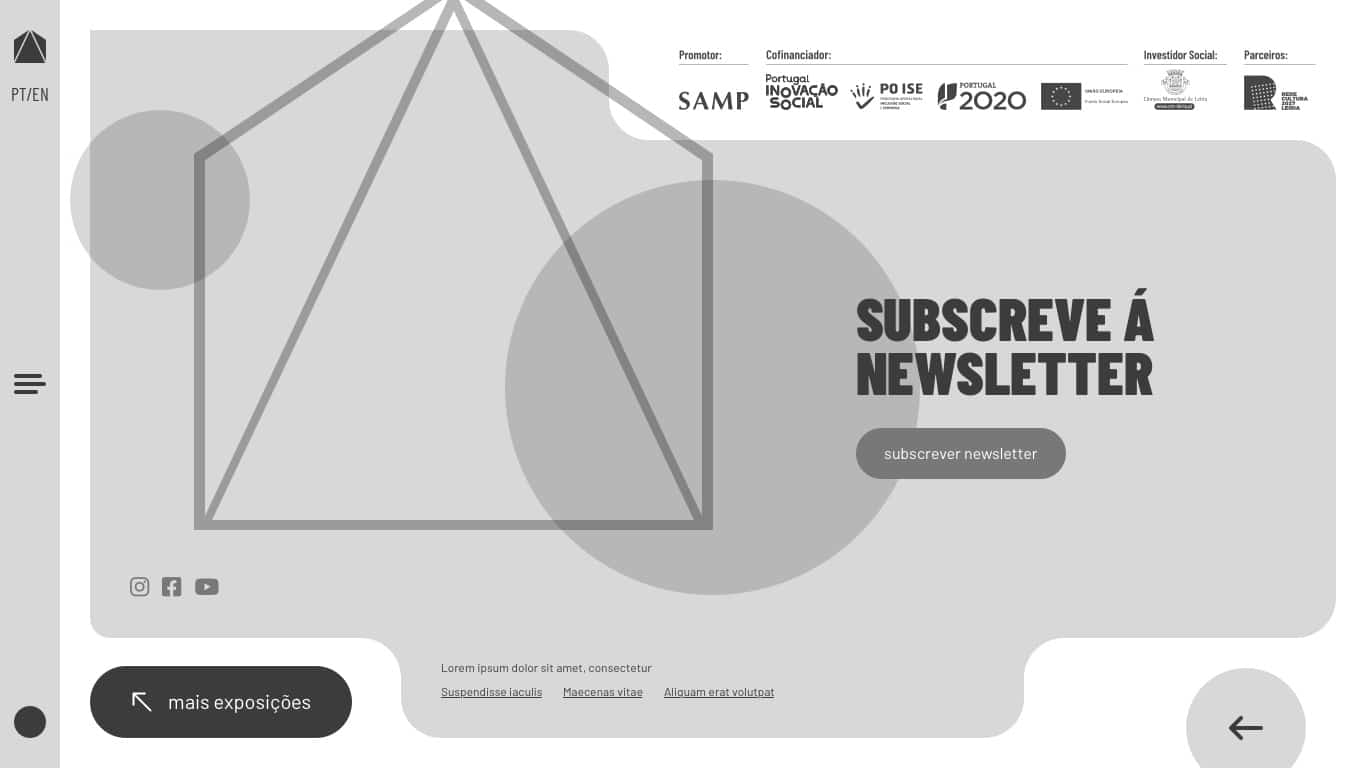
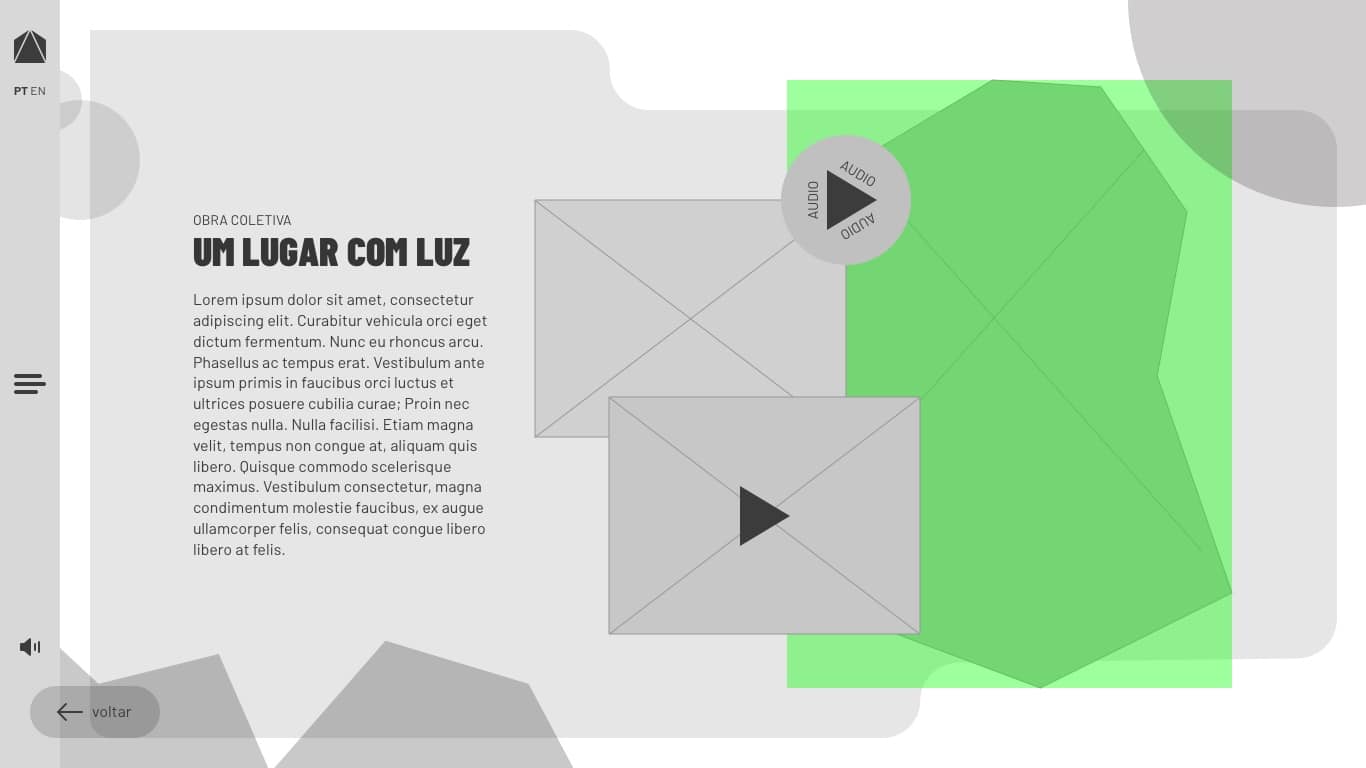
The next phase is a layout design, which tends to take 4 to 6 weeks. This is where the creative UI/UX team brings your digital personality to life, mapping out the structure of your website, sketching wireframes, exploring navigation solutions, and developing the visual language that aligns your website with your brand, making it all feel cohesive and memorable.
We develop a dynamic prototype, so you can feel your new website before we even start programming to make sure we are on the same page. Good web design that scores awards involves both art and strategy. It’s not just about making it look beautiful but making it work beautifully.
4. Content creation and upload
While the layouts are being developed, content creation should be underway, and if you opt to delegate it to us, this phase usually overlaps with the development, so that when the website is ready to be tested, we have the content ready to upload.
Copywriters refine your voice, designers, photographers and illustrators create imagery, videos and animations, and the pieces start to come together into something cohesive. Beware: content production is often the hidden bottleneck of web projects; when it’s ready early, everything flows faster.
Content upload usually takes 2 to 4 weeks, depending on website complexity and the number of languages, and we aim to start uploading everything during the development stage.
5. Development
Then comes development, the stage where everything starts to move. Over the next 3 months, our wizard developers transform static designs into a living, breathing website. They build responsive layouts, code integrations, optimise performance and ensure your website behaves perfectly on every screen and browser. This is where functionality meets form, and magic quietly happens behind the scenes.
6. Debugging and testing before launch
Finally, when the website is ready and the content on place, there’s testing and launch, which takes about 1 to 2 weeks. The team checks for bugs, ensures SEO best practices are applied, runs accessibility and speed tests, and trains you on how to manage your new website. It’s the final sprint before the big reveal.
All of the stages develop consequently and inter-connectedly, each one shaping and conditioning the next. Add it all up, and you have a 5 to 8 month process, which is long enough to craft something robust and short enough to launch before your competition catches up.
What Affects the Timeline
Like the brand it will home, the website has its own DNA, which means every project runs slightly differently. Some take 5 months, others stretch to 10. The difference usually lies in a few key factors.
First is complexity. A small brochure website with a few pages and simple navigation can move fast. But if we’re talking about a larger website or multi-language platform, we’ll have multiple layers of design, testing, development and content production and upload, and that surely takes time.
Then, there’s content readiness. You’d be surprised how often timelines get extended because copy, photos or videos arrive late. We sketch the layout with dummy content but no true operational layout exists without real content to shape it around. Having your text and images ready early is one of the simplest ways to speed things up.
Feedback speed also matters. It’s important to give some thought to it, but quick, clear decisions keep momentum going. When revisions take weeks or when too many people weigh in (vade retro, multiple decision layers!), progress slows. The fastest projects are always the ones with focused, decisive communication.
And finally, integrations. If your website connects to CRMs, payment systems or custom APIs, expect some extra development time. Those elements are powerful, but they require testing and precision to work flawlessly.
What if I need my new website online ASAP?
Well, some agencies promise websites in a fortnight. And technically, yes, it’s possible. With AI, you can even do it yourself! But, let’s be honest… Will it match your expectations? In fact, will it even match your actual needs? We doubt it. Going for a “quick-fix website” is a bit like getting a bland instant coffee when what you really wanted was a gut-punch espresso (or taking a long nap!).
Rushing a web build usually means skipping the important bits: kick-off research, fine-tuned user experience, and proper testing. If you leave these steps off or don’t invest some time in them, the result might look fine on the surface, but underneath? Clunky navigation, poor mobile performance and half-baked SEO. You’ll end up with a bag of problems to fix when you could’ve done it properly in the first place. This is not how we work.
At KOBU, we believe that your website is your brand’s digital home and the first impression for most of your audience. If it’s slow, confusing or inconsistent, people notice, and they probably don’t come back. So, avoid cutting corners and take the time to build it right, not as a cost but as a smart business investment.
Youngenergy Website Dynamic Prototype
How Creative Agencies like KOBU Keep Designing Websites Efficiently
For starters, as a creative branding agency, we don’t just design websites, we design brands. So we know the importance of translating their behaviour into the digital experience, caring to make it on-brand, structured, interesting and intuitive.
That’s why efficiency begins long before anyone touches code. It starts by knowing your brand identity and messaging, ensuring everyone understands your visual language and purpose before diving into the design phase. That alignment prevents wasted revisions and last-minute changes later.
Throughout the project, collaboration is key and we’re all for fluid and transparent communication. Feedback is requested at specific stages, preferably in online meetings where we present and discuss design proposals or prototype links, so there’s no guessing which version we’re talking about. Everyone stays on the same page, literally and figuratively!
We know how important it is to present a website that doesn’t expire quickly, and one that is prepared to face the future, so we build with scalability in mind. Investing in a customised website should be regarded as a medium- to long-term improvement in your brand’s affirmation that should also impact your business performance.
We use flexible, responsive frameworks that can adapt as your brand and business grow. Consequently, the time and money you invest now will also pay off in the future, especially when your website will just need to evolve rather than be rebuilt from scratch.
You can see this approach reflected in the variety of websites we create, each with different levels of complexity and timeline implications.
For example, THE V luxury real estate development website project required a relatively short production period because the website is intentionally compact, with just a few pages and two languages, allowing us to extend the brand’s premium and elegant identity online in a focused, efficient way.
By contrast, the Skullpture Facial Bone Surgery website development required a longer timeline due to the integration of a high-fidelity 3D element that anchors the experience. The website features a striking copper 3D skull on the homepage, guiding users as they scroll. This level of detail along with the precise integration of typography, colour, and motion naturally demands more time for design, development, and debugging.
And then there are projects like The Museum in the Village virtual museum website, the most complex of the three. This virtual museum transforms communities into living exhibitions, combining storytelling, cultural expression, and interactive digital spaces.
Because it’s a creative ecosystem, and not just a website, the experience required deep conceptual thinking, a flexible structure, and tailored development to accommodate the artistic and participatory nature of the project. It also required extensive content preparation and upload, given the volume of stories, artworks and community contributions that needed to be curated and integrated.
Your website is your brand’s digital home
Think of your brand’s website as you would of your brand’s physical office or store. You want it to look and feel perfect because you know it should make an impact on visitors. You want your brand space to resonate with your visitors and encourage them to connect with you.
When you invest in a physical space where you will welcome your buyer and display your product or service, you put your heart and soul into it. You bring in professionals to design it, and you dedicate time and care to ensure the final result reflects exactly what you want people to perceive about your brand, curating every wall, every shelf, every corner. Because details matter.
So, the same should happen with your website. It’s the digital equivalent of your store or office, a space where your brand identity needs to shine through clearly, whether in writing, visuals, or the way each scroll and click feels.
It’s where your audience comes to understand who you are, what you offer, and how to reach you effortlessly, just as they would at a physical counter.
The Final Word: 5 golden rules to launching a website on time
So, how long does it take to build a customised website? There’s no defined answer, only an educated guess. We can answer with an estimated number of months, but the real answer involves a series of variables. However, if we could provide a few golden rules to launching a website on time, here they are:
- Set clear goals from the start: Take time to answer the questions: “What’s the purpose of my website? What specific goals should each page achieve?”
- Assign a point of contact: Decision bottlenecks kill momentum. A small team of competent elements (2 or 3 people) can stick to the point and decide quickly.
- Stick to feedback deadlines: The creative agency can’t move forward without your input on feedback or without the assets you are to provide.
- Prepare your content early: Even rough drafts are better than none. Start early, tweak as you go, deliver asap, fine-tune later.
- Trust the process: You hired a creative agency that is specialised in developing customised, on-brand websites. We want your website to go live as much as you do. And we want to be proud of what we do!
Above all, it isn’t just about time but mostly about purpose, dedication and efficiency. A customised website is an investment in your brand positioning, in your customer experience, and ultimately in your business’s long-term growth. Inevitably, it takes some time, but the result is a customised website built in perfect tune with your brand identity and business goals, and designed to leave an impression that lasts well beyond the first click.
Transparency disclaimer
Article written by Isabel Evaristo and Karolina Guilherme.
Illustration cover by Brígida Guerreiro (aka anotherbrigida).